Power Washing vs Soft Washing: What Does Your Home Need?
Choosing between power washing and soft washing is not simply a matter of how dirty your home looks. The right approach depends on the surface, its condition, the type of contamination and where the cleaning water will go. A method that works well on a sound concrete driveway can damage painted weatherboards, roof tiles or ageing mortar.
For homes across Melbourne Bayside, coastal exposure adds another consideration. Salt deposits, windblown sand, shaded gardens and winter dampness can all affect exterior surfaces. Understanding the differences between cleaning methods helps you organise effective maintenance without creating avoidable repair costs.
What Is the Difference Between Power Washing and Soft Washing?
Pressure washing and power washing
Pressure washing uses pressurised water to dislodge dirt and other material from a surface. Its cleaning action depends on several factors, including water pressure, flow rate, nozzle selection, working distance and technique. Pressure cleaning can be effective on suitable concrete, masonry and other durable surfaces.
Technically, power washing usually refers to pressure washing with heated water. Heat can help remove grease and oily residues, particularly on hard surfaces. However, many Australian service providers use “power washing” and “pressure washing” interchangeably. When comparing quotes, ask whether the proposed service uses hot or cold water rather than relying on the name.
Higher pressure is not automatically better. Excessive force can etch concrete, remove paint, disturb paving joints and push water into places it should not reach.
Soft washing
Soft washing relies primarily on a suitable cleaning solution, controlled application and low-pressure rinsing. Instead of using force to strip contamination away, the cleaner is https://pressurecleaningbayside.com.au/tennis-court-cleaning/ selected to loosen dirt or treat biological growth such as algae and mould.
The precise equipment varies. Some contractors use dedicated low-pressure pumps, while others use pressure-cleaning equipment configured for low-pressure application. What matters is the pressure delivered to the surface, the suitability of the product and the application technique.
Soft washing is not automatically harmless. An unsuitable chemical, excessive concentration or inadequate rinsing can discolour finishes, affect plants or accelerate corrosion. Careful product selection is just as important as pressure control.
Why Melbourne Bayside Homes Need a Surface-Specific Approach
Homes in Brighton, Hampton, Sandringham, Black Rock and Beaumaris include a wide mix of weatherboards, rendered walls, brickwork, tiled roofs and metal roofing. Each material has different cleaning requirements, and neighbouring properties may need completely different treatments.
Properties close to Port Phillip Bay can accumulate salt on exposed surfaces. Salt deposits can contribute to corrosion on vulnerable metals, particularly where coatings are damaged. Removing deposits with a compatible washing method can support maintenance, but cleaning cannot reverse established corrosion or replace protective coatings.
Shaded paths, south-facing walls and areas beneath dense vegetation may stay damp longer, encouraging algae and other growth. Meanwhile, sandy deposits can collect on paving and around entrances. The best cleaning plan addresses both the contamination and contributing conditions, such as blocked drainage, leaking gutters or poor airflow.
Which Method Suits Each Part of Your Home?
Concrete driveways and paths
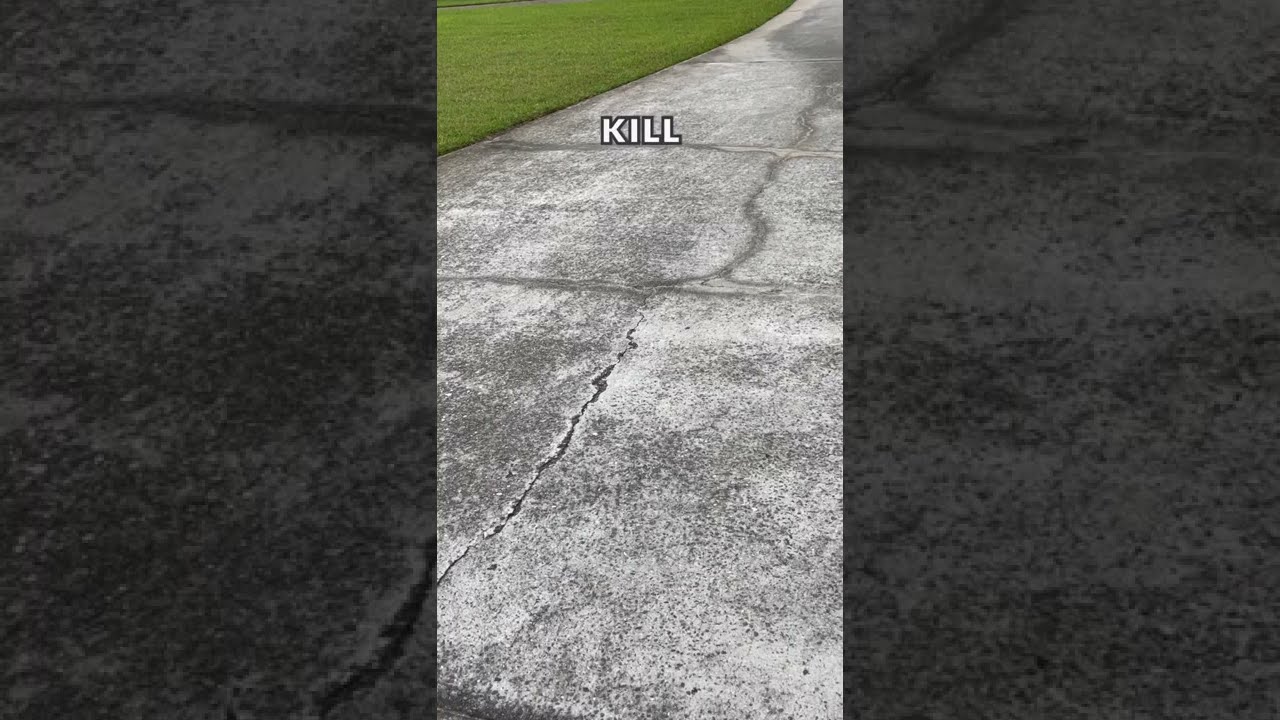
Pressure washing is often suitable for driveway cleaning on sound, uncoated concrete. A correctly operated surface-cleaning attachment can produce a more consistent finish than a narrow spray nozzle and help reduce visible cleaning stripes.
Before work begins, check for cracks, crumbling areas, decorative finishes and existing sealers. Exposed aggregate, coloured concrete and coated surfaces need particular care. Newly placed concrete should only be cleaned when its condition and the concrete supplier’s guidance permit it.
Oil stains usually need targeted treatment rather than extra pressure. A suitable degreaser, adequate dwell time and sometimes heated water can improve results, but deeply absorbed stains may remain visible. Ask about realistic outcomes before approving the work.
Rendered and painted walls
Soft washing is generally the better starting point for house washing on painted walls and many rendered finishes. High-pressure jets can lift loose paint, mark softer coatings or force water through cracks and around windows.
Render is not one uniform material. Cement render, acrylic finishes and insulated cladding systems can have different maintenance instructions. The contractor should identify the finish, inspect its condition and follow the relevant manufacturer’s guidance.
Cleaning should not be used to conceal building defects. Cracked render, failed sealant, blistering paint and damp patches may require repair before washing.
Weatherboards and timber
Painted weatherboards typically need a gentle approach that protects both the coating and the joints between boards. Water should not be directed upwards beneath laps or into vents and gaps.

Unpainted timber decks and screens need a separate assessment. Excessive pressure can raise the grain, create splintering and leave permanent marks. Timber-specific cleaning products, gentle agitation and controlled rinsing may be more appropriate. If recoating is planned, allow the timber to dry to the coating manufacturer’s requirements.
Brickwork and paving
Sound modern brickwork may tolerate controlled pressure cleaning, but old bricks, soft mortar and previously damaged masonry can be vulnerable. Heritage properties deserve particular caution because aggressive cleaning can permanently alter the surface.
For paved areas, the cleaner should consider jointing material as well as the pavers. Washing can remove jointing sand, and some surfaces may need re-sanding after they dry. Sealed pavers also require compatible products and techniques to avoid patchy coating damage.
Roof Cleaning Requires Extra Care
Roof cleaning is not simply driveway cleaning carried out at height. Roof materials, coatings, flashings and drainage systems need individual assessment, and safe access is essential.
On tiled roofs, uncontrolled high-pressure washing can damage surfaces and drive water beneath tiles. Concrete and terracotta tiles may also have coatings or manufacturer-specific maintenance requirements. On metal roofs, cleaning must account for protective finishes, fasteners, overlaps and compatibility with any chemicals used.
A low-pressure treatment may be appropriate for some roofs, but soft washing is not automatically suitable for every roofing material. The cleaning method should follow the roofing manufacturer’s instructions and account for the roof’s age and condition.
If roofing or cladding may contain asbestos cement, stop and arrange assessment before cleaning. High-pressure water must not be used on asbestos-containing materials, and other disturbance can also release hazardous fibres. Specialist advice is necessary.
Homeowners should avoid climbing onto roofs to investigate staining or test cleaning methods. A qualified contractor can assess access, fall risks and material condition before recommending work.
Cleaning Solutions, Gardens and Stormwater
Some soft-washing products contain sodium hypochlorite, while others use different active ingredients or detergents. The appropriate choice depends on the contamination and surface. There is no single mixture that is safe and effective for every house.
Ask how the contractor protects garden beds, lawns, outdoor fabrics, metals and neighbouring property. Depending on the product and site, precautions may include moving items, controlled application, plant rinsing and collecting runoff. Covering vegetation requires care because trapped heat can also damage plants.
Wash water needs a plan before cleaning starts. In Melbourne Bayside, stormwater can reach local waterways and Port Phillip Bay. Water containing cleaning chemicals, oil, paint flakes or other pollutants should not be allowed to enter stormwater drains. Victorian environmental duties apply, and contractors should check relevant EPA Victoria, council and water-authority requirements for containment and lawful disposal.
Equipment such as drain covers, temporary bunds and wet-vacuum recovery may be needed. Discharge to the sewer is not automatically permitted either; the appropriate water authority’s requirements must be checked.
How to Choose the Right Cleaning Service
A useful quote explains the proposed process rather than simply promising a powerful machine or a brighter finish. Before booking pressure cleaning or house washing, ask the contractor:
- Which method will be used on each surface, and why is it suitable?
- Will a discreet test area be completed before full cleaning?
- Which products will be used, and how will sensitive finishes and plants be protected?
- How will runoff be contained and disposed of?
- Does the business hold appropriate insurance, and how will work at height be managed?
- Are stain treatment, re-sanding, access requirements and any limitations included in the quote?
Be cautious of guarantees that every stain will disappear or that one method suits the entire property. Rust, oil, mineral deposits, paint deterioration and biological growth need different treatments. Some visible marks are permanent changes to the material rather than removable dirt.
How Often Should Bayside Homes Be Washed?
There is no universal cleaning schedule. Exposure, surface condition, nearby vegetation and drainage all influence how quickly contamination returns. Inspect exterior surfaces periodically and after significant weather events rather than booking aggressive cleaning by habit.
Look for slippery growth on paths, visible salt deposits, blocked drainage and dirt accumulating around vulnerable finishes. Promptly addressing these issues may reduce the need for more intensive work later.
Repeated cleaning should remain as gentle as practical. Where algae returns quickly, investigate persistent moisture, irrigation overspray or overflowing gutters. Cleaning treats the surface; correcting the moisture source helps address the cause.
Preparing Your Property for Exterior Cleaning
Before the appointment, close windows and doors, move vehicles and outdoor furniture, and keep pets and children away from the work area. Tell the contractor about leaks, loose paint, damaged seals and any recent repairs or coatings.
Identify outdoor power points, security devices, solar equipment and other sensitive fittings. Discuss protection and isolation where appropriate; do not assume they can withstand direct spraying.
If roof runoff feeds a rainwater tank, agree on a suitable disconnection or diversion procedure before chemicals are applied. Reconnection should follow product instructions and appropriate guidance so cleaning residues do not contaminate stored water.

The Best Choice Is Often a Combination
For many Melbourne Bayside properties, the answer is not power washing or soft washing for the whole home. It is a carefully selected combination: controlled pressure washing for suitable hard surfaces, gentler house washing for vulnerable finishes and a material-specific approach to roof cleaning.
The safest starting point is a thorough inspection, a clear runoff plan and a small test area. Choose the least aggressive method that achieves the required result, and prioritise surface protection over maximum pressure. That approach delivers a cleaner home while helping preserve the materials underneath.
Bayside Pressure Cleaning Pros
Unit 3/3-5 Arnold St, Cheltenham VIC 3192
ph. (03) 4517 6380